Why Wind Damage Matters
Wind damage is not always easy to see right away, but it can lead to serious roof problems if ignored. Strong gusts can lift shingles, loosen flashing, damage gutters, and create small openings where water can enter. Even minor roof wind damage can turn into leaks, mold growth, or wood rot over time. At Roland’s Roofing, we always recommend checking your roof after a storm so you can catch issues early and avoid more expensive roof repairs later.
Common Signs of Wind Damage
After a strong storm, start by looking around your property from the ground. You may notice visible clues that your roof has been damaged by high winds. Some signs are obvious, while others are easier to miss.
- Shingles lying in the yard
- Dark patches where shingles are missing
- Loose or bent flashing
- Granules collecting in gutters
- Damaged roof vents
- Sagging or detached gutters
- Water stains inside the home
If you see any of these warning signs, your roof may need a closer inspection.
Check for Missing or Lifted Shingles
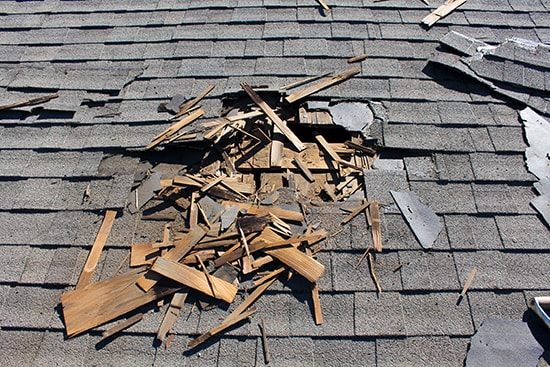
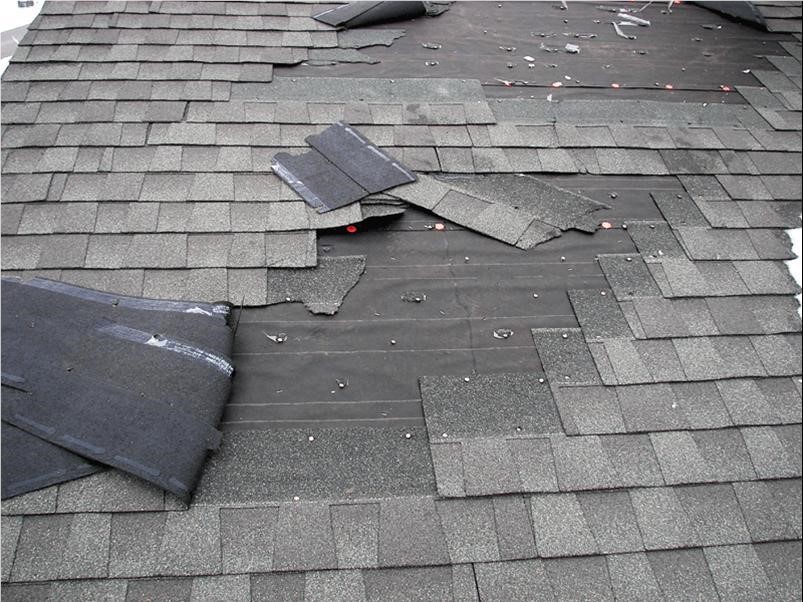
Missing shingles are one of the clearest signs of roof wind damage. When shingles are torn away, the underlayment and roof decking can become exposed to rain and moisture. Lifted shingles can be harder to spot because they may still be attached, but the seal underneath has been broken. Once that seal is damaged, the next storm can lift the shingle even more or tear it off completely.
Look for shingles that appear:
- Raised
- Curled
- Cracked
- Torn
- Uneven
- Folded back
These problems should be repaired quickly to help prevent roof leaks.
Look at Gutters, Flashing, and Roof Vents
Wind damage does not only affect shingles. Gutters, flashing, and roof vents can also be loosened or damaged during a storm. Flashing protects areas around chimneys, skylights, vents, and roof valleys, so any damage there can create a direct path for water. Gutters that pull away from the home can also cause drainage problems that may damage the roof, siding, or foundation.
Pay attention to:
- Bent or missing flashing
- Loose gutter sections
- Detached downspouts
- Cracked vent covers
- Debris stuck in roof valleys
- Shingle granules in gutters
These smaller parts of the roofing system play a major role in keeping water out.
Inspect Your Attic and Ceilings
Some roof damage is easier to find from inside the home than outside. After a windstorm, check your attic, ceilings, and upper walls for signs of moisture. A small leak may not drip right away, but it can leave stains, damp insulation, or a musty smell. Finding these warning signs early can help prevent hidden water damage from spreading.
Look inside for:
- Brown or yellow ceiling stains
- Damp insulation
- Mold or mildew
- Peeling paint
- Musty odors
- Sunlight coming through the attic roof boards
Any indoor sign of water should be taken seriously.
Document Damage for Repairs or Insurance
If you suspect storm damage on your roof, take photos before making repairs when it is safe to do so. Good documentation can help when speaking with a roofing contractor or filing an insurance claim. Take pictures of missing shingles, damaged gutters, fallen branches, water stains, and any roofing materials found on the ground. Also write down the date of the storm and any major weather details you remember.
Helpful records include:
- Photos of visible damage
- Notes about when the storm happened
- Repair estimates
- Roofing inspection reports
- Receipts for emergency repairs
Keeping everything organized can make the repair process easier.
When to Call a Roofing Professional
You should call a roofing professional if you notice missing shingles, leaks, damaged flashing, or signs of water inside your home. A professional roof inspection can find problems that are not visible from the ground. This is especially important if your roof is older, has been through several storms, or was hit by tree limbs. Climbing onto a damaged roof can be dangerous, so it is safer to let a trained roofer inspect it. Don’t gamble with your home’s safety; if you’ve noticed even one of these warning signs, reach out to Roland’s Roofing today. Our experienced team will get up there so you don’t have to, catching small problems before they turn into your next big headache.