The Top Roof Trouble Spots Every Homeowner Should Know
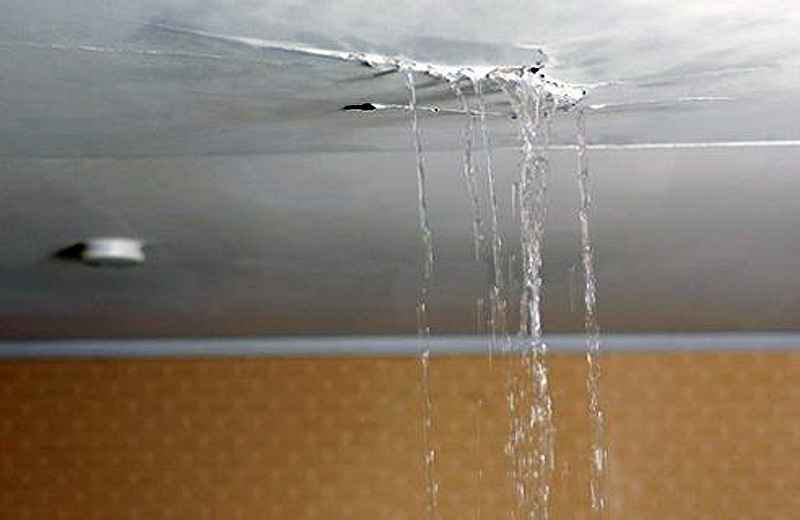
If you’re like most homeowners, you probably don’t think about your roof until water starts dripping onto your kitchen counter. By then, what could have been a simple repair has turned into a much bigger (and more expensive) headache. The good news? Most roof problems start small, in predictable places, and show warning signs long before they become emergencies.
Knowing where to look and what to look for can save you thousands of dollars and a lot of stress. At Roland’s Roofing, we’ve put together a breakdown of the areas on your roof that tend to cause the most trouble, and what you can do about them.
Roof Valleys
The valleys are the V-shaped areas where two roof slopes meet, and they do a lot of heavy lifting. Rainwater and melting snow naturally funnel into these spots, which means valleys see more water volume than almost any other part of your roof.
Because of that constant exposure, valleys are prone to:
- Worn or cracked flashing that lets water seep underneath
- Granule loss on shingles from the steady flow of water
- Debris buildup (leaves, twigs, pine needles) that traps moisture against the roofing material
A quick visual check after a storm can catch problems early, before water finds its way into your attic.
Flashing Around Chimneys, Vents, and Skylights
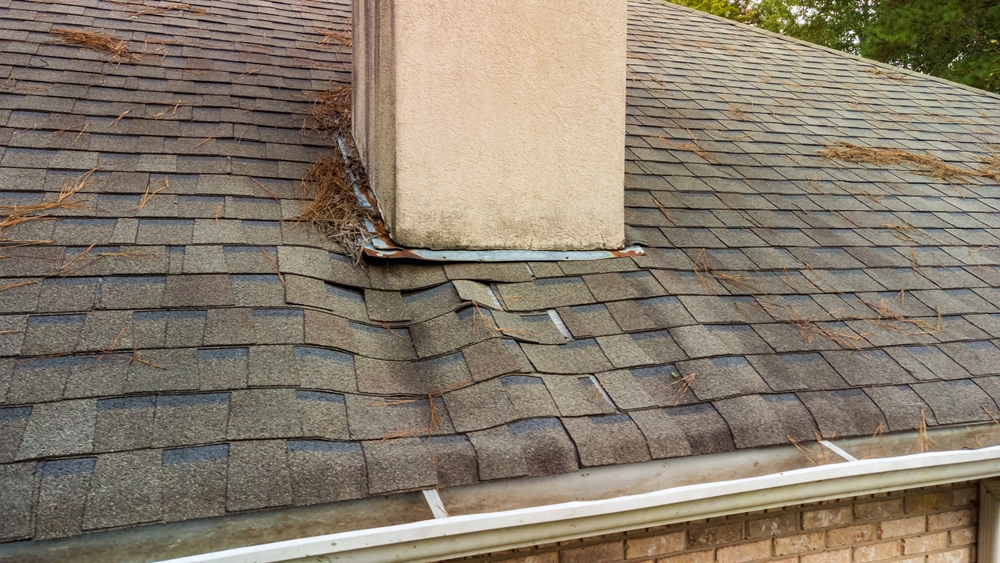
Anywhere something pokes through your roof a chimney, a vent pipe, a skylight there’s a seam, and seams are where leaks love to start. Flashing is the metal barrier installed around these features to keep water out, but it doesn’t last forever.
Common culprits here include:
- Flashing that has pulled away from the surrounding shingles
- Caulking or sealant that has dried out, cracked, or worn away
- Rust or corrosion on older metal flashing
If you’ve ever had a mysterious water stain on your ceiling that seems to come from nowhere, a failing flashing seal near a roof penetration is often the reason.
Gutters and the Roof Edge
Your gutters might not technically be part of the roof, but they play a major role in protecting it. When gutters get clogged with leaves and debris, water has nowhere to go but back up under the shingles at the roof’s edge.
Watch for:
- Sagging or pulling-away gutters, which signal water isn’t draining properly
- Shingles near the edge that look curled, lifted, or discolored
- Ice dams in colder climates, which form when trapped water freezes and pushes under the roofline
Cleaning your gutters at least twice a year goes a long way toward preventing this entire category of damage.
Roof Penetrations and Plumbing Boots
Plumbing vent boots the rubber or plastic collars sealing the pipes that stick up through your roof are small, but they fail often. The rubber breaks down with sun exposure over time, and once it cracks, it’s an open invitation for water.
Low-Slope or Flat Sections
If your home has any low-slope or flat roof area common over porches, additions, or garages, these sections are especially vulnerable. Water doesn’t run off as efficiently, so it tends to pool instead.
Trouble signs include:
- Ponding water that lingers more than 48 hours after rain
- Bubbling or blistering in the roofing membrane
- Soft spots when walked on, which can indicate water has already soaked into the decking below Shingles in Direct, Constant Sun
Roof sections that get the most direct afternoon sun age faster than the rest of the roof. UV exposure dries out the oils in asphalt shingles, making them brittle and more prone to cracking or curling.
If one side of your roof looks noticeably more worn than the other, sun exposure is often the explanation.
Attic Ventilation Issues
This one isn’t a “spot” on the roof exterior, but it affects every part of it from underneath. Poor attic ventilation traps heat and moisture, which can warp roof decking, rot the wood structure, and shorten the lifespan of your shingles from the inside out.
Signs of a ventilation problem include:
- A noticeably hot attic in summer
- Visible mold or mildew on the underside of the roof deck
- Frost buildup on nails or rafters during winter
Most roofs don’t fail all at once. They fail one small, neglected spot at a time. By keeping an eye on valleys, flashing, gutters, vent boots, low-slope areas, sun-exposed shingles, and attic ventilation, you’ll catch the small issues before they turn into costly repairs.
When in doubt, the team at Roland’s Roofing can give you peace of mind with a thorough inspection, and that’s a lot cheaper than a ceiling repair.
How Often Should You Check These Areas?
A good rule of thumb is to inspect your roof twice a year, once in spring and once in fall plus after any major storm. Binoculars from the ground are a safe way to spot obvious issues, but for anything beyond a surface-level check, it’s worth having a professional take a closer look, especially if your roof is more than ten years old.
The Bottom Line
Most roofs don’t fail all at once. They fail one small, neglected spot at a time. By keeping an eye on valleys, flashing, gutters, vent boots, low-slope areas, sun-exposed shingles, and attic ventilation, you’ll catch the small issues before they turn into costly repairs.
When in doubt, the team at Roland’s Roofing can give you peace of mind with a thorough inspection, and that’s a lot cheaper than a ceiling repair.